
Cross-Chain API
Reliable, fast
cross-chain swaps. One integration.
Make bridging feel like a swap with route discovery and execution that keeps users moving, and boost retention with clear error tracking.
Get Started99.97%
Uptime
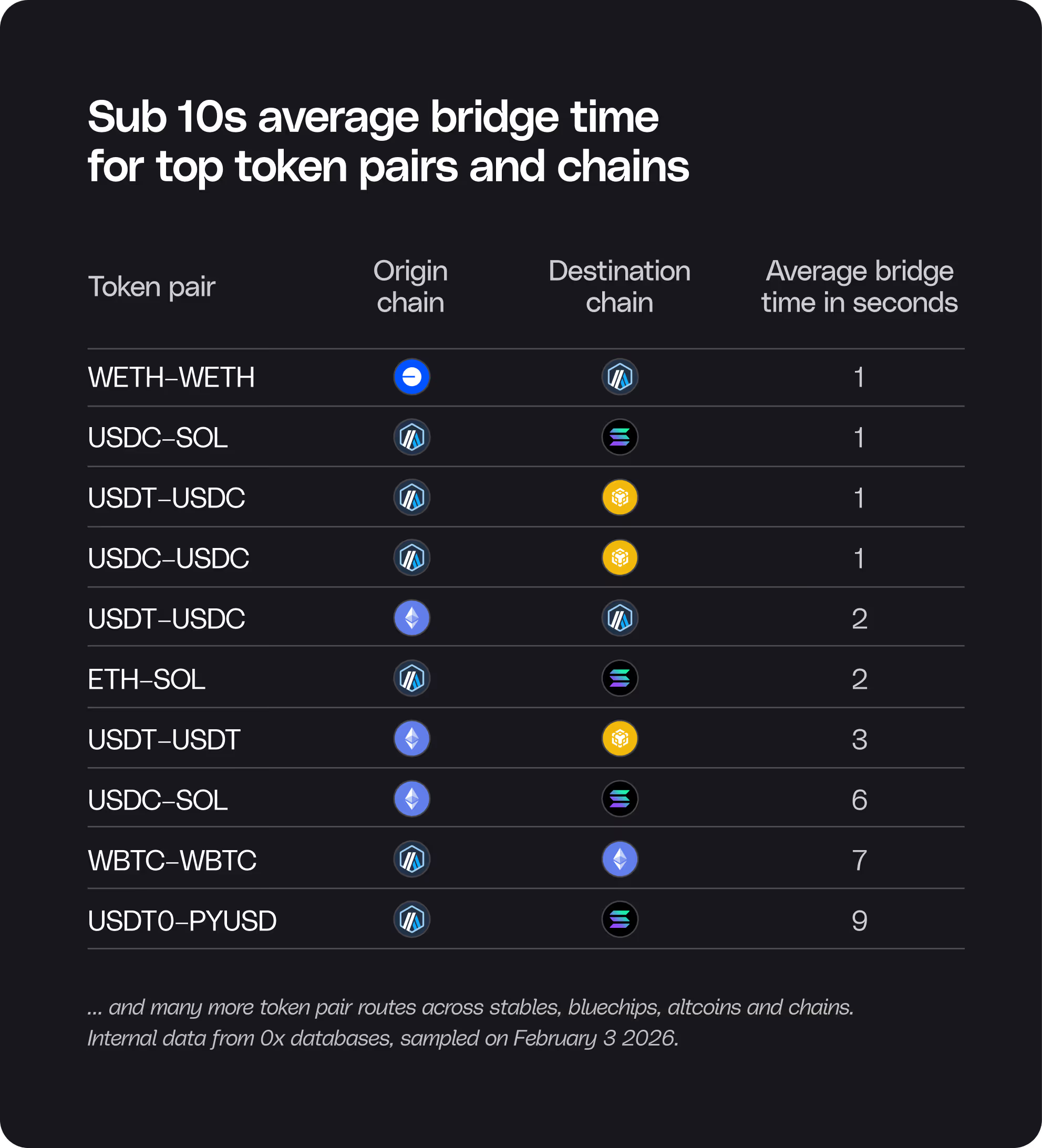
5s
Median bridge time
12+
Bridges aggregated
Resilient performance
Multiple established providers in one integration, continuously evaluated for reliability.
By monitoring routes and selecting the best-performing options as network conditions evolve, you can deliver the best service to your users.

Bridge aggregation
from leading providers with more control.

Multiple routes
available under one integration.

Fallback paths
to reduce reverts and user drop-off.

End-to-end execution
without additional intervention.
How Cross-Chain API works
Cross-chain swaps match your same-chain experience to let your users focus on trading.
1. Request routes
Your app calls the API and streams routes as they’re discovered.
2. Execute the swap
Your users or app selects a route and executes a familiar swap-style flow.
3. Track progress
Users see status updates and support is informed of incidents in real time.
Stay ahead of support inbounds
Built-in tracking informs support of incidents in real time, improving support response with a unified view of each swap’s journey.

Show clear progress states in-app, reducing user frustration and churn
Eliminate “where are my funds?” tickets with transparent progress elements
Provide a route instantly
Bridge routes populate as soon as they’re found so users can continue their journey, reducing integration work.

Battle tested

Matcha Meta is a meta DEX aggregator built on 0x APIs. Originally created to gather real feedback from users in the wild, today it’s done $7B+ in volume and is used by whales and advanced traders across DeFi.

Improves perceived performance and conversion
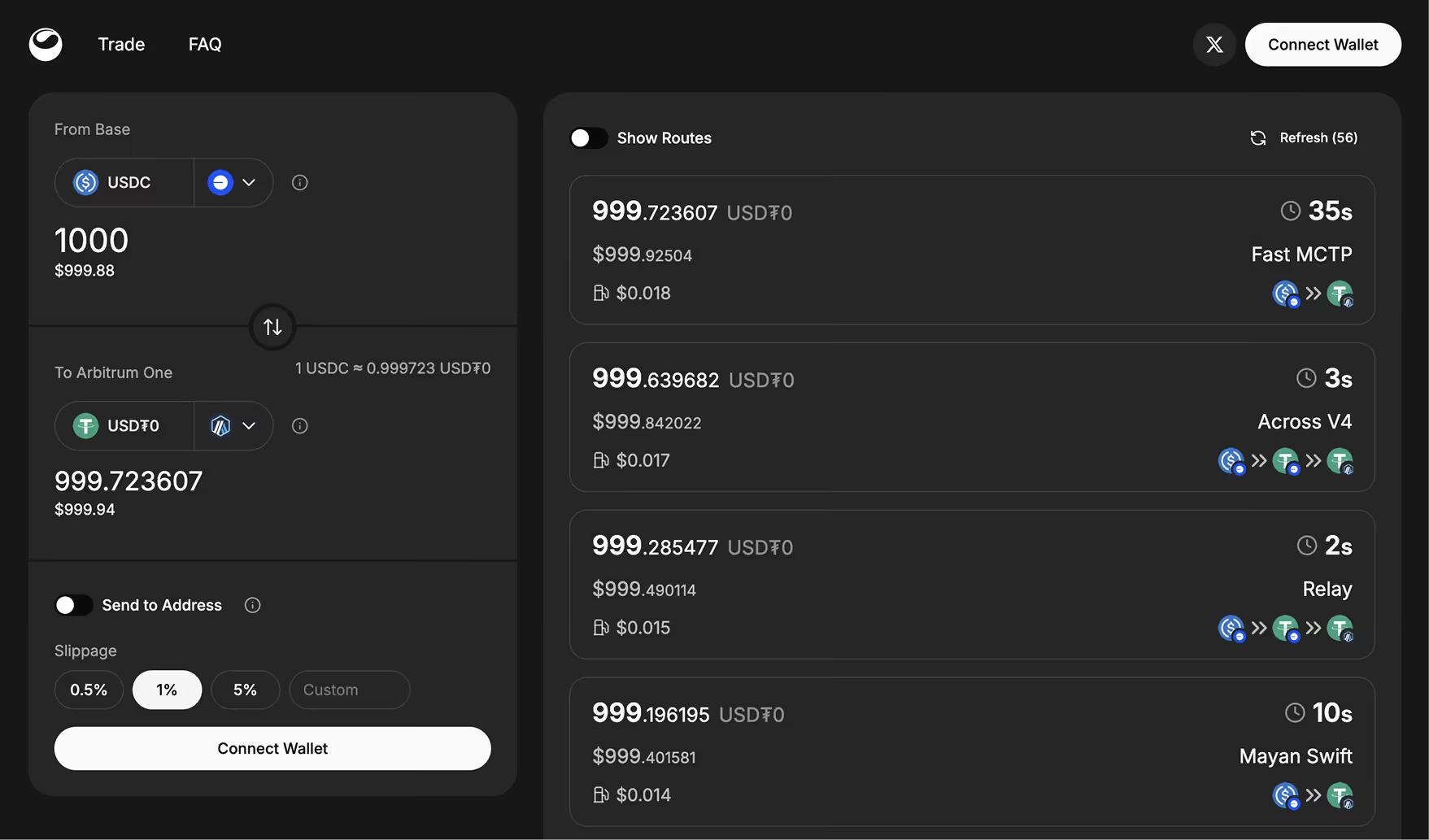

No waiting for quotes or timeouts on slower responses

Users can choose the first viable route, or wait for a better offer, or your devs can choose to show all at once
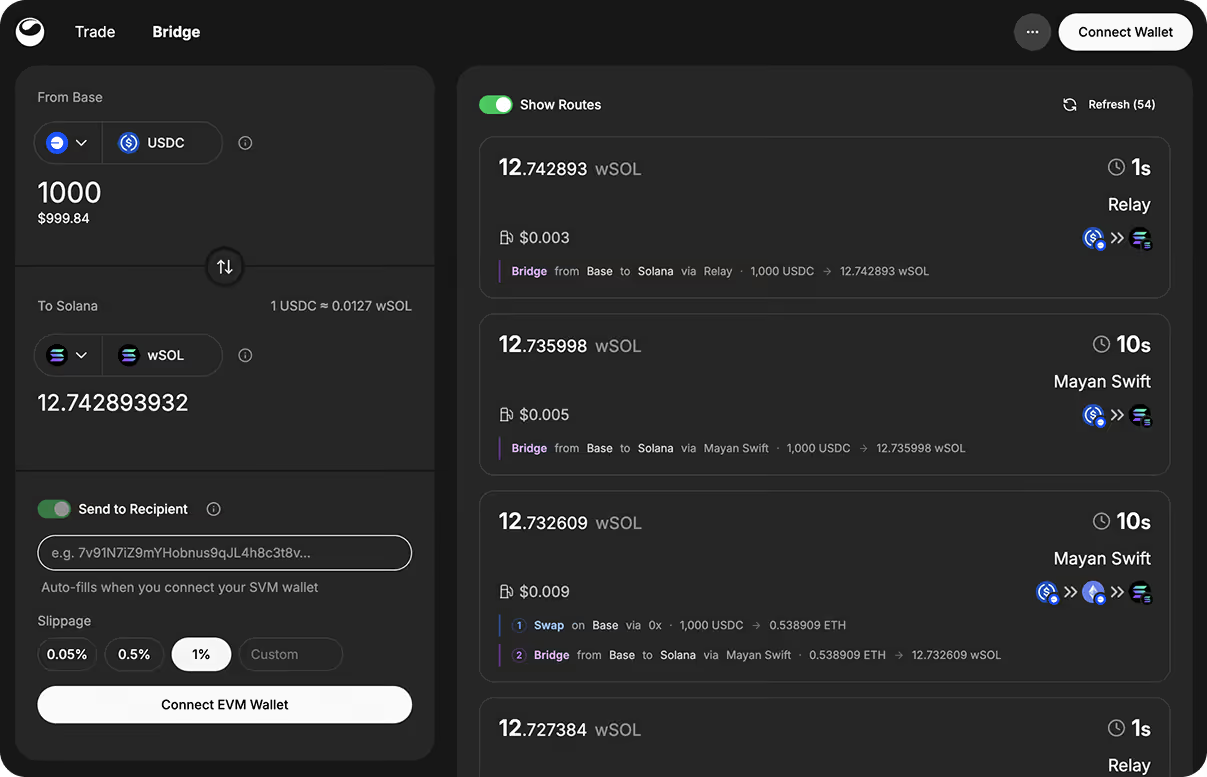
12+ bridges and bridge aggregators in one integration.












Cross-chain
that feels like a swap
Make multi-chain swaps simple for users and easier for your team to manage.

Show clear progress states in-app, reducing user frustration and churn.

Eliminate “where are my funds?” tickets with transparent progress elements.

Improve incident response and reconciliation with a unified view of each swap’s journey.
One integration for cross-chain swaps
0x Cross-Chain API is a unified product that handles routing, bridging, tracking, and execution, so you can free yourself from a patchwork of vendors.
Multi-vendor stacks mean every third-party update becomes your problem. Make life easier for your engineers and your end users with a single integration. Ship faster, reduce overheads, and keep users on your happy path.

One API provider for routing, bridging, tracking, and execution.

Fewer dependencies, fewer edge cases, fewer breaking changes.

Easier launches across new routes without maintenance burden.
Multi-chain, one provider
Launch cross-chain swaps without vendor sprawl.
Improve conversion with faster time-to-first-route.
Instant routes for better UX and lower integration lift.
Reduce support cost with fewer reverts and clearer lifecycle status.
Reduce custom fallback logic with redundancy built in.
Integrate one API instead of stitching multiple vendors.
